Makoto Hasebe doesn't tackle with the ferocity of a traditional defensive midfielder. He doesn't sprint past opponents or unleash thirty-yard strikes. Watch him for ninety minutes and you might forget he's on the pitch—until you realize the ball keeps moving through him, the backline keeps its shape because of him。and the opposition's attacks keep dying at his feet. At 40 years old, Hasebe has become Eintracht Frankfurt's most unlikely cornerstone, a player whose influence defies the metrics that dominate modern football discourse.
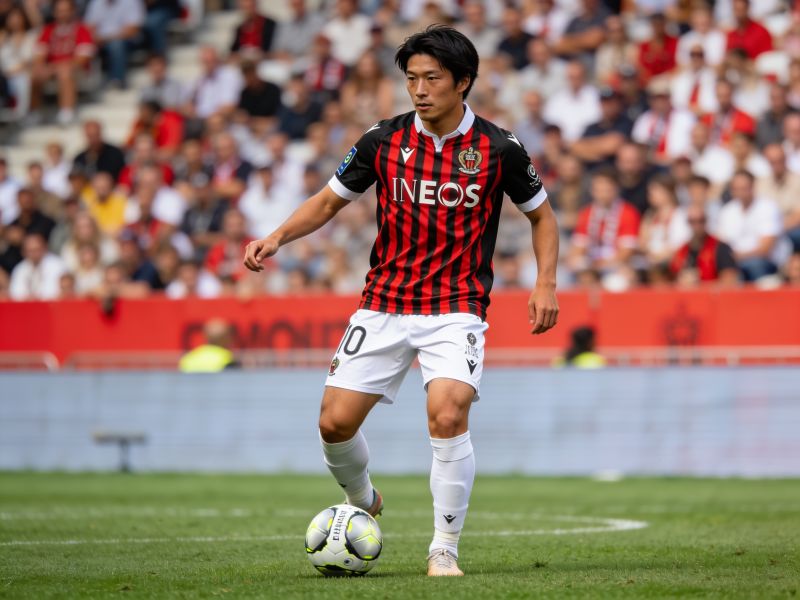
I first noticed Hasebe during Frankfurt's 2018 DFB-Pokal final win over Bayern Munich. He wasn't the hero—that was Ante Rebić with two goals—but Hasebe quietly neutralized Thomas Müller's space between the lines. No flashy interventions. Just positional intelligence so refined it looked almost passive. That performance crystallized something I've observed since: Hasebe operates like a chess player who has already seen the next five moves. He anticipates transitions before they happen, shifting two meters left or right to close a passing lane. Bundesliga tracking data from 2022-23 showed he covered less distance per 90 than nearly every other outfield starter in the league, yet Frankfurt conceded fewer shots when he was on the pitch. Efficiency over exertion.His journey to this point wasn't linear. Hasebe arrived in Germany in 2013 from VfL Wolfsburg, where he'd already spent six years after leaving Japan's Urawa Red Diamonds. Most Japanese outfield players of his generation faded from European football by their early thirties. Hasebe didn't. He adapted—shedding the box-to-box role of his twenties for a deep-lying anchor position that demanded more brains than legs. Frankfurt signed him on a free transfer in 2014. Ten years later, he's still there, now captaining the side and mentoring players half his age. That longevity isn't luck. It's a meticulous approach to recovery, nutrition。and film study that younger teammates describe with a mix of awe and disbelief.What strikes me most about Hasebe is how rarely he appears in highlight reels. Search his name on YouTube and you'll find tactical breakdowns by niche analysts, not viral clips. He's the anti-influencer athlete—no extravagant celebrations, no cryptic social media posts. When Frankfurt won the Europa League in 2022, Hasebe lifted the trophy with the same calm expression he wears during a routine league match. That stoicism can read as aloofness, but teammates insist otherwise. "He talks more in the locker room than people think," midfielder Djibril Sow once told reporters. "He just saves his energy for when it matters." There's something refreshing about a player whose legacy rests on intangible qualities—positioning。timing, leadership—in an era obsessed with measurable output.
Hasebe's contract runs through 2025, and Frankfurt's sporting director has hinted at a post-playing role. Whether he transitions into coaching or scouting remains unclear. What's certain is that his imprint on the club's recent identity—gritty, organized, resilient—won't fade quickly. You could argue he's the most influential Japanese player in Bundesliga history, though he'd probably deflect that praise with a shrug. Makoto Hasebe never sought the spotlight. He just kept showing up, season after season。quietly making everyone around him better.